The Science Behind Sodium-Based Mineral Clumping
Learn how our 75% high-purity sodium mineral formulation creates instant, anti-shatter clumps for superior odor control — and why the chemistry matters for your condo.
When you scoop a litter box and the clump holds together perfectly — firm, dry, and odor-free — that's not luck. It's chemistry. Specifically, it's the chemistry of sodium bentonite, a remarkable natural mineral that has been the gold standard in cat litter for decades. In this article, we'll break down the science behind why sodium-based mineral litter clumps so effectively, and what makes Purrmates 300's 75% high-purity formulation different from generic alternatives.
The Geology of Bentonite
Bentonite is a clay formed from the weathering of volcanic ash in the presence of water — a process that takes millions of years. The result is a mineral with an extraordinarily high surface area and a unique crystal structure. There are two main types of bentonite: sodium bentonite and calcium bentonite. The difference comes down to which cation — sodium or calcium — sits between the layers of the clay's crystal lattice.
This seemingly small chemical difference has enormous practical consequences. Sodium bentonite can swell up to 15-30 times its dry volume when hydrated, forming a tight, impermeable gel. Calcium bentonite, by contrast, swells only modestly and produces softer, more crumbly clumps. This is why sodium bentonite is the preferred material for high-performance cat litter, while calcium bentonite is used mainly in lower-grade or budget products.
The Clumping Mechanism: Step by Step
When urine contacts sodium bentonite, several things happen in rapid succession:
First, water molecules penetrate the spaces between the clay layers, causing the layers to expand. This is the swelling phase, and it happens within seconds of contact. The expanding layers create a gel-like mass that begins to solidify as more water is absorbed.
Second, the sodium ions in the clay exchange with other ions present in the urine — a process called cation exchange. This exchange strengthens the bonds between clay layers, making the clump harder and more durable. The more sodium available for exchange, the harder the final clump.
Third, as the gel dries, it contracts slightly and forms a solid, cohesive mass. This is the final clump — a hard, dry ball that encapsulates all the urine and seals in the odor. A well-formed sodium bentonite clump can be picked up, dropped, and even thrown without breaking apart.
Why Purrmates 300's 75% Purity Matters
Not all sodium bentonite litters are created equal. Commercial-grade litters typically contain 50-60% sodium bentonite mixed with fillers — limestone, quartz dust, and other inert materials. These fillers dilute the clumping performance, producing weaker clumps that break apart during scooping and leave wet residue behind.
Purrmates 300 uses a 75% high-purity sodium mineral formulation, meaning significantly less filler and more active clumping material. The result is visible the moment you scoop: the clumps form faster, hold together better, and leave the remaining litter cleaner. Over time, this means you use less litter per month because you're not throwing away un-clumped, contaminated litter with each change.
| Property | Purrmates 300 (75% purity) | Generic Clay Litter (50-60% purity) |
|---|---|---|
| Clump formation time | 1-3 seconds | 5-15 seconds |
| Clump hardness | Very hard — survives scooping | Moderate — crumbles under pressure |
| Odor sealing | Complete encapsulation | Partial — some ammonia escape |
| Dust level | Low — filtered to 75% purity | High — contains quartz dust |
| Litter usage per month | Lower — less waste from breakage | Higher — broken clumps contaminate clean litter |
| Best for | Condos, multi-cat homes | Landed houses with ventilation |
The Ion Exchange Advantage
One of the most important — and least understood — aspects of sodium bentonite is its ion exchange capacity. The clay's crystal structure contains negatively charged sites that attract and hold positively charged ions (cations). When urine passes through the litter, the sodium ions in the clay are exchanged for ammonium ions (NH4+) from the urine.
This is significant because ammonium is the primary compound responsible for litter box odor. By trapping ammonium ions within the clay structure, sodium bentonite doesn't just mask odor — it chemically removes the odor-causing compound from the environment. This is why sodium bentonite litter smells clean even between scoops, while non-clumping litters allow ammonia to build up continuously.
Anti-Shatter Technology for Energetic Cats
Some cats dig aggressively — Bengals, Abyssinians, and young cats in particular can be vigorous excavators. With standard clay litter, this aggressive digging shatters clumps before they fully harden, spreading wet fragments throughout the box. Purrmates 300's high-purity formulation creates clumps that are hard enough to withstand this kind of treatment. The clumps form so quickly that even a fast-digging cat can't break them apart before they solidify.
This is also why Purrmates 300 is the recommended choice for multi-cat households. With multiple cats using the same box, the litter is subjected to more frequent disturbance. Only a litter that forms instant, hard clumps can maintain cleanliness under that level of traffic.
The Bottom Line
The science of sodium bentonite clumping is a story of geology, chemistry, and physics working together. From volcanic ash to perfect clumps, the mineral's unique properties — rapid swelling, ion exchange, and high purity — make it the most effective cat litter material available. Purrmates 300's 75% high-purity formulation maximizes these natural advantages, delivering the instant clumping, odor sealing, and anti-shatter performance that condominium living demands.
Ready to Make the Switch?
Explore our range of high-performance, eco-friendly cat litter.
Buy via WhatsAppKeep Reading
 Product Science
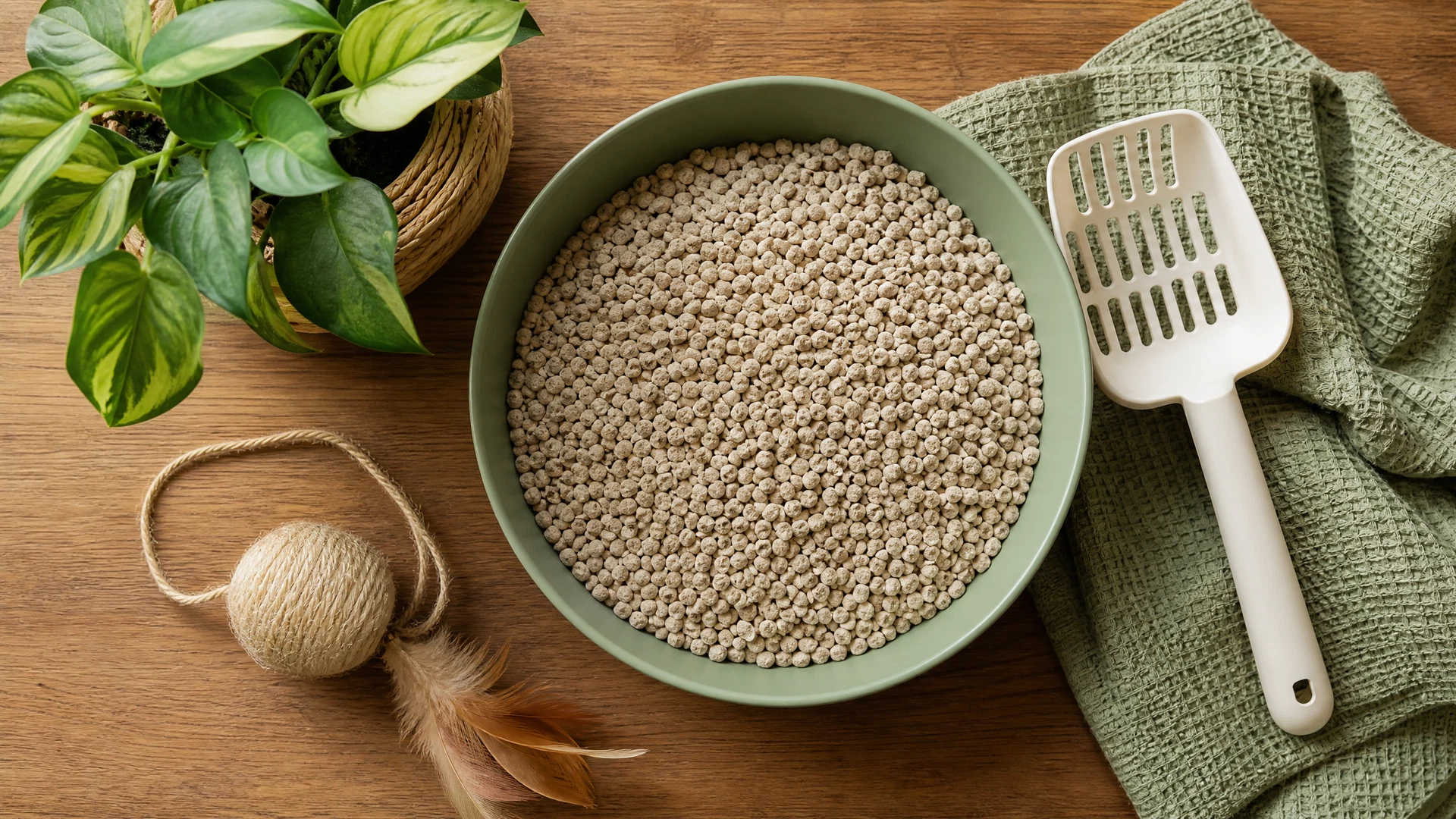
Natural Sodium-Based Mineral Cat Litter: The Complete Guide for Condo Dwellers
Everything you need to know about sodium bentonite cat litter — how it works, why it's the #1 choice for odor control in condominiums, and how Purrmates 300 compares to tofu-based alternatives.
 Sustainability
Why Tofu Cat Litter Is Better for Your Cat and the Planet
Discover the environmental and health benefits of switching from traditional clay litter to eco-friendly tofu-based alternatives — and why Purrmates 200 is the smart choice for eco-conscious condo dwellers.
 Cat Care Tips
How to Stop Your Cat from Tracking Litter Everywhere
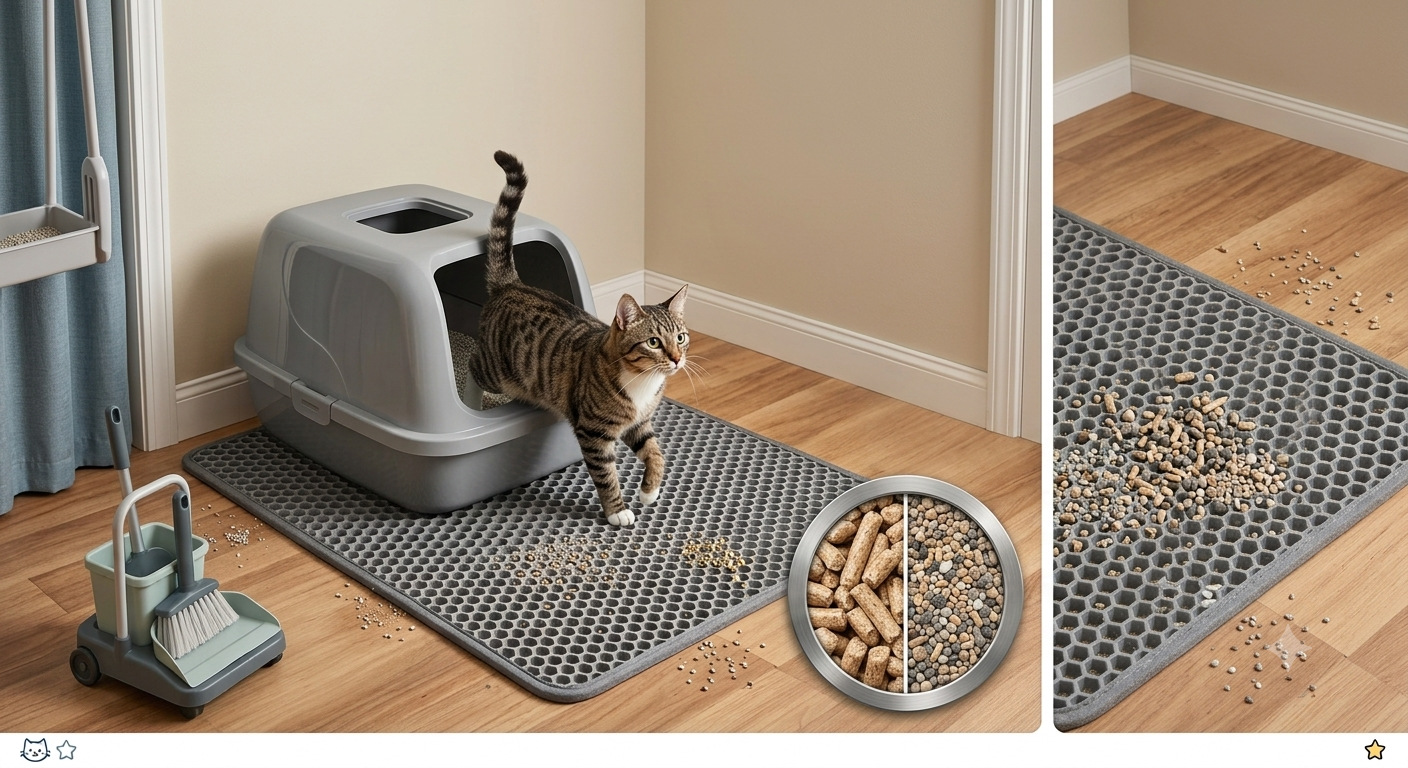
Practical tips and product recommendations to keep your condo clean when living with an enthusiastic digger — from honeycomb mats to pellet-based litter strategies.
Join the Purrmates Family
Subscribe to our newsletter for cat care tips, product updates, and Purrmates news.
No spam. Unsubscribe anytime.